


Standard
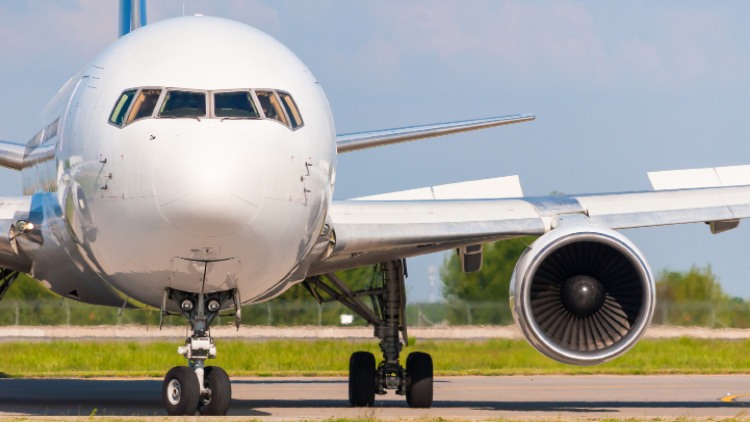
Balance speed and cost with reliable air service for planned shipments.
Unmatched scale, local expertise, and access to capacity across key trade lanes.
Smooth handoffs from pickup and air transport to customs and final delivery.
Tools that compare service options, support booking decisions, and simplify execution.
Shipment visibility and expert support to stay ahead of disruptions at every step.
Balance speed and cost with reliable air service for planned shipments.
Add flexibility and faster transit for freight that needs extra urgency.
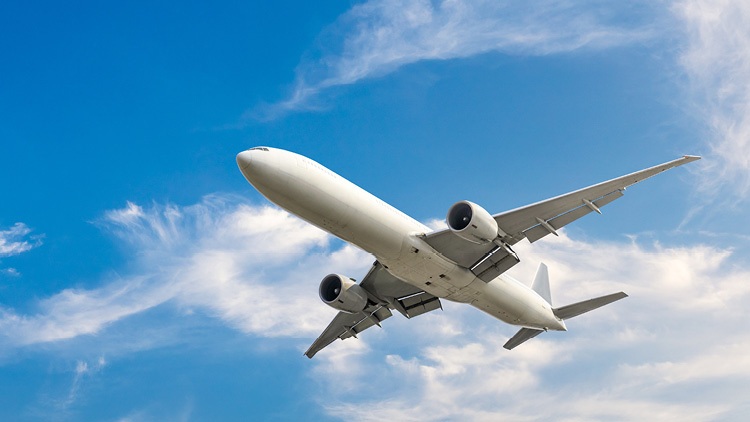
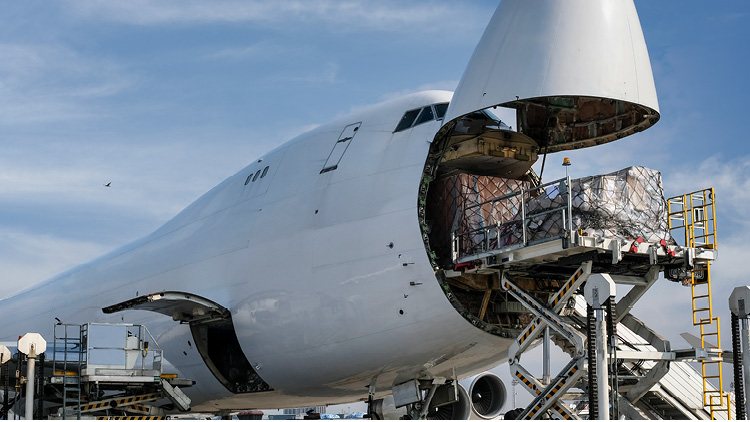
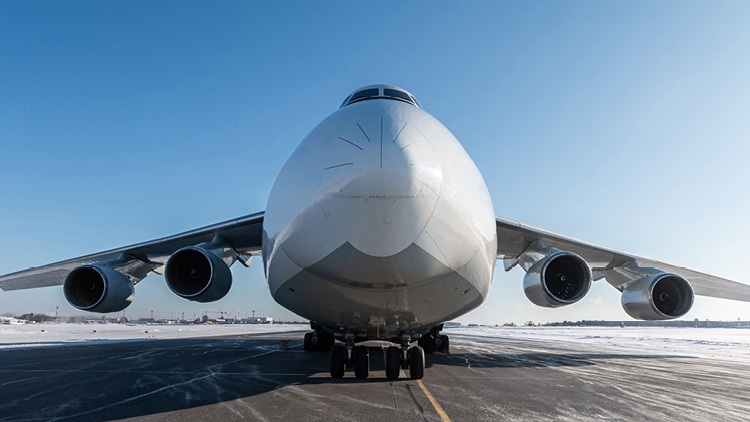
Move complex, over dimensional air freight with coordinated handling.
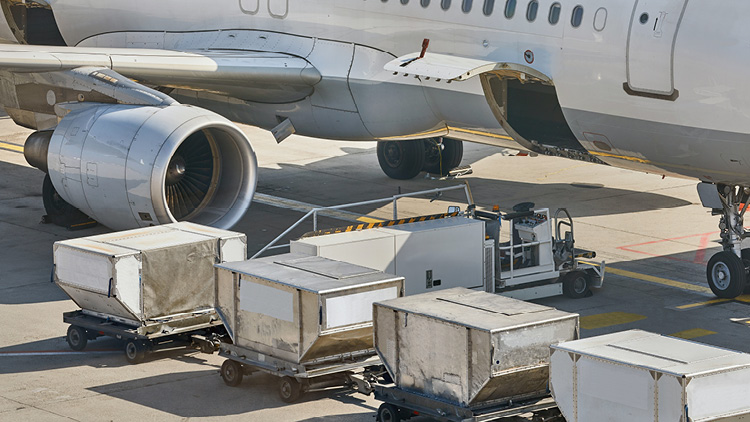
Protect sensitive freight with air solutions designed for temp, timing, and risk.
Access fast domestic air options when short-notice shipments need coverage.
Deliver your time-sensitive freight with flexible air cargo options from C.H. Robinson. Get more negotiating power with leading airlines and access to capacity when you tap into our unrivaled scale and unmatched expertise.
Build cost-effective strategies with air experts who understand urgent freight, service levels, and global trade requirements.
Secure the space and scheduling you need—via cargo or passenger plane—through our extensive carrier relationships.
Choose the right air solution based on timing, cargo requirements, budget, and risk—not a one-size-fits-all model.
Published: Thursday, October 01, 2026 | 09:00 AM CDT
Read more about the Trans-Pacific, Trans-Atlantic, and Asia-Europe outlook
Air freight shipping (also called air cargo or air shipping) is the transportation of goods by aircraft. It is the fastest shipping option for moving freight internationally and is often used for time-sensitive, high-value, or long-distance shipments.
Because of the associated costs of air shipping, this service is generally reserved for urgent or high-priority cargo that needs to arrive within days rather than weeks.
Air freight is often the right choice when delays could lead to production downtime, inventory shortages, missed sales opportunities, or service disruptions. It is commonly used for urgent replenishment, high-value goods, product launches, spare parts, healthcare products, and other time-critical shipments.
Air freight helps businesses move goods faster while improving reliability and supply chain responsiveness. Top benefits include:
Air shipping transit times are much faster than other methods, but the exact duration depends on the service level and route distance:
By comparison, ocean freight from, say, Asia to North America can take 3–6 weeks. So even the slowest air freight service is considerably faster than shipping by sea. Keep in mind the clock for air transit does not include pickup, customs clearance, or final delivery on the ground, but even including those, air is still the speediest option for long-range shipping.
Air freight can help maintain supply chain continuity when unexpected events impact inventory, production schedules, or transportation networks. By providing faster transit times and alternative routing options, air freight can help businesses recover quickly from delays, avoid service disruptions, and respond more effectively to changing market conditions.
Air freight is commonly used by industries where speed, reliability, compliance, and shipment visibility are critical. This includes:
Each industry has unique transportation requirements, but all benefit from the ability to move critical shipments quickly and reliably.
Yes. Air cargo must comply with strict safety regulations. Certain dangerous goods, hazardous materials, lithium batteries, chemicals, and other regulated products may require special handling, documentation, or approval before they can travel by air. Shipping requirements vary by product type, aircraft, origin, and destination, making it important to confirm compliance requirements before booking a shipment.
Yes. While aircraft size and weight limitations apply, oversized and heavy cargo can often be transported by air using specialized equipment, dedicated freighter aircraft, or charter solutions. Air freight is frequently used for critical shipments such as industrial machinery, manufacturing equipment, infrastructure components, and other out-of-gauge cargo when speed is essential.
When evaluating oversized air shipments, factors such as cargo dimensions, weight, origin and destination airports, aircraft availability, and loading requirements should all be considered.
Air freight generally has a higher carbon footprint than ocean freight and other transportation modes. However, it remains an important option for urgent and time-sensitive shipments. Many businesses are evaluating transportation strategies that balance speed, cost, and environmental impact, including exploring lower-emission fuel alternatives when available.
Air freight and ocean freight differ mainly in speed, cost, and capacity:
Which should you choose?